
Latest News
Which Cialis is Better?
Canadian Pharmacy Cialis is a popular means to increase libido and treat diseases associated with premature ejaculation. Preparation has been established as an alternative to Viagra. However, today we can say with confidence that thanks to its potency and action duration it enjoys great demand. Cialis action starts after 15 minutes and lasts for 36 hours. During this time, human sexual muscles are in tone. At sexual excitement erection becomes stronger and sensitivity of erogenous zones increases. Taking the drug for the first time, it is recommended to take minimal dosage and increase it if shosen dose was insufficient. So which dose of Cialis (Tadalafil) to take is a question of individual tolerance.
Myth about Antibiotics and Alcohol
Antibitiotis with Alcohol
Myth that «alcohol neutralizes antibiotics» was first distributed in STI clinics that appeared immediately after the Second World War.
 Especially effective against sexually transmitted infections at that time was penicillin, created in 1928 by Alexander Fleming. It was prescribe with a strict rule: in no case not to drink alcohol while taking the drug. The reason for this was rather psychological than pharmaceutical. A drunken man more willingly engages into casual sex. So, putting fear into patients, doctors and nurses give the drug a chance to do its work before infection will be transmitted to someone else.
This advice since that time has become a standard practice in medicine – and was successful: most of us are still abstain from alcohol during treatment course with Canadian Health&Care Mall antibiotics. Indeed, alcohol abuse, while taking antibiotics, is not a good idea: alcohol competes with the drug for «metabolism» in liver, which means that antibiotic can act a little more slowly than usual. But it will still be effective – in spite of alcohol.
From more than a hundred of antibiotics prescribed by physicians, only five are on the list of those that have serious side effects when taken with alcohol.
Only one of them is prescribed in ordinary cases – metronidazole – to deal with dental and gynecological infections, as well as for Clostridium difficile treatment – a bacterial infection, which is «obtained» in hospitals. Metronidazole does not allow the body to normally resolve alcohol, which leads to accumulation of highly toxic organic compounds in blood, called acetaldehyde – formaldehyde close relative, better known as «embalming fluid». The effects are almost the same as at severe hangover: nausea, vomiting, heart palpitations and severe headaches.
In 1942, an American microbiologist Selman Waksman (1888 – 1973) and his student Albert Schatz (1922 – 2005) discovered streptomycin – the first effective medicine against tuberculosis. Waksman described it as «antibiotic» (from Greek – «anti» – against and «bios» – life), because it killed living bacteria.
Canadian Health&Care Mall antibiotics are powerless against colds and flu, which are viral infections. It is still unclear, what is virus and weather it can be call «alive». Viruses have genes (but no cells), and they can propagate only using host-organism. Scientists call them «biological species» or «organisms on the edge of life».
Antibiotics action is inhibited not by alcohol, but their appointment «with or without reason». Thus, in animal breeding 70% of all antibiotics are prescribed to completely healthy animals. In medicine more often there is situation when new bacterial strains are becoming resistant to once «magic bullets» such as streptomycin.
According to the World Health Organization, one third of the world’s population today is the carriers of drug-resistant TB strains. There are suggestions that by 2020 about 35 million people will die from this disease.
Canadian Health&Care Mall: Myths and Facts about Tuberculosis
With the pharmacology development, many serious diseases have ceased to be deadly. There are drugs and treatment methods to overcome almost any disease. But the problem of Bacterium Koch infection is relevant to this day. What do we know about this infectious disease? How to prevent it? Answers to these questions are easy to find on the Internet or other media. The main thing is to learn to distinguish fiction from fact.
Tuberculosis is a disease characterized by lung lesion, rarer – other internal organs or systems. Canadian Health&Care Mall researchers consider this disease one of the most ancient in the world. Archaeologists have found signs of this disease even in Egyptian mummies. In ancient Greece phthisis treatment (consumption, depletion) was considered meaningless and ineffective, but, fortunately, this pathology was quite rare. And in modern history tuberculosis epidemics extinguished millions of people’s lives. For example, in Europe of XVI – XVII centuries almost 20% of deaths were attributed to this particular disease.
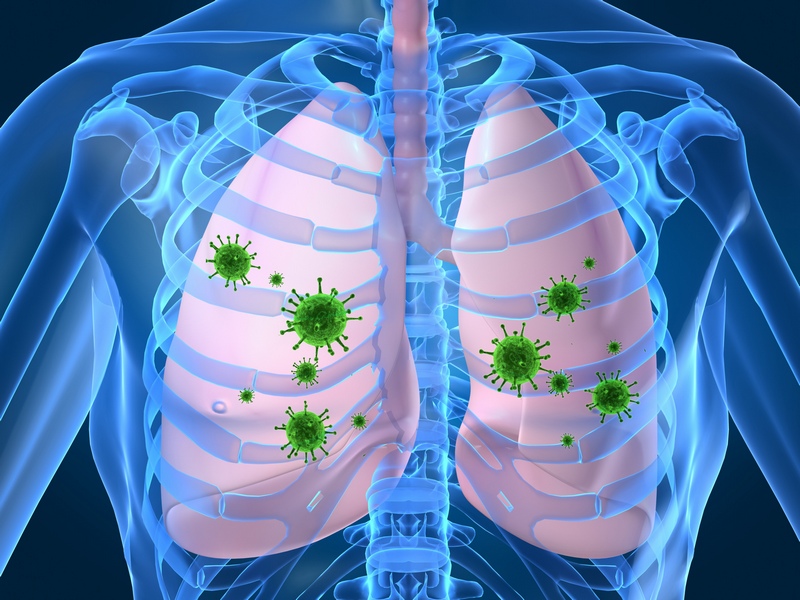 «The real pain is never felt immediately. It is similar to phthisis: when a person notices first symptoms, this means that the disease has already reached almost the last stage» (Yukio Mishima)
The Japanese novelist and playwright is right that tuberculosis is difficult to diagnose at early stages. Often, it has almost no symptoms.
Canadian Pharmacy Cialis as Erectile Dysfunction Treatment
Canadian Pharmacy Cialis is one of the most frequently used worldwide and this preparation is directed to solve impotence problem and enhance erection. After allowing the EU clinical use of tadalafil – a new means to combat impotence, created by American companies – Ely Lilly and Icos, the drug appeared in early 2003 in European pharmacies under the trade name Cialis. This drug works like Viagra, but the effect is achieved more quickly and lasts 2-3 times longer.
A new drug for erectile dysfunction treatment Cialis (active component – tadalafil), joint development of pharmaceutical company Eli Lilly and corporations ICOS, went on sale in Europe, Australia and New Zeland for the first time where Britain, Denmark, Finland, Sweden and Germany possess this medication on sale as well.
During February-May 2003 Canadian Pharmacy Cialis was released on sale in other countries. “Cialis release to markets in Europe, Australia and New Zealand is an important event for Lilly ICOS», – said Richard Pilnik, president of the European department of Eli Lilly – “Duration of Cialis effect lasts more than a day, it is a unique opportunity in erectile dysfunction treatment, allowing men normalize their sexual life.” Our main distributor is considered to be My Canadian Pharmacy where people may buy Canadian Pharmacy Cialis without prescription list besides the price is attractive as well.
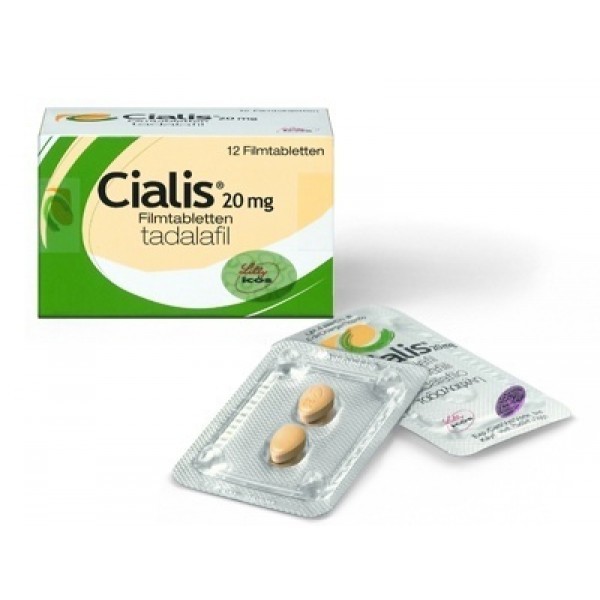
“For almost 31 million of men in Europe affected by erectile dysfunction, Cialis will fundamentally solve the problem” – says Paul Clark, Director General of ICOS. The main feature of Cialis is that it restores the ability of men to have erection for up to 36 hours. At this time it is important to note that the erection occurs only when sexual excitement is observed. This will allow couples do not plan their sexual relationships and not to abandon normal rhythm of life.
It is possible, for example, to take the tablet in the morning and in the evening before a date. Studies have shown that the effect of Cialis does not depend on alcohol and a hearty dinner, of course, for some men, it will be one more argument in favor of the drug. However, it should be noted alcohol in large quantities adversely affects the erection and alcohol abuse can cause erectile dysfunction furthermore. Canadian Pharmacy Cialis refers to the class of inhibitors of phosphodiesterase type 5 inhibitor.
Its action is based on a selective and effective blockade of phosphodiesterase-5, which promotes relaxation of smooth muscle cells and increases blood flow to the carvenous body. Currently Canadian Pharmacy Cialis is phosphodiesterase-5 inhibitor, reducing erection ability for 36 hours. As with all drugs of this class, such as Viagra, Cialis is contraindicated for concomitant use with nitrates used at cardiovascular diseases treatment.
Cialis can help many men deal with the problem of impotence and allow more freedom to choose the time for sexual relations. Today, about 150 million men worldwide have erection problems. According to experts, the use of Cialis can help them cope with this problem and establish a normal sex life.
Undoubtedly, the emergence of a new highly efficient drug will cause many men to start treatment. American doctors were presented results of 5 Canadian Pharmacy Cialis clinical trials. They were attended by 1112 men aged 22 to 82 years with erectile dysfunction of varying severity. The drug showed high efficacy in patients of all ages.
Cialis improved erectile function in 81% of men and showed good tolerability. It was also found that tadalafil, used to treat impotence, often enhances the sexual health of cancer patients with exsomatized prostate gland. This is evidenced according to the clinical trials results announced on conference of sexologists in Denver.
Canadian Cialis Effective at ED Treatment
Canadian Cialis contains 20 mg tadalafil per tablet. Other ingredients are:
- lactose monohydrate;
- croscarmellose sodium;
- hydroxypropyl cellulose;
- microcrystalline cellulose;
- sodium lauryl sulfate;
- magnesium stearate;
- colorant mixture – Opadry II;
- talc.
The Pharmacological Action of Cialis
Cialis is drug for erectile dysfunction treatment. It is a reversible selective inhibitor of specific phosphodiesterase type 5 (PDE5). When sexual stimulation causes local release of nitric oxide, inhibition of PDE5 leads to cGMP levels increase in the cavernous body. The result is relaxation of smooth muscles arteries and blood flow to the penis tissues appear causing erection. Tadalafil has no effect in the absence of sexual stimulation.
Cialis improves erection and possibility of successful sexual intercourse. Canadian Cialis is available in our online store – Canadian Health and Care Mall.
Cialis action lasts for 36 hours. The effect is already apparent after 16 minutes after taking the drug in the presence of sexual excitement.
Canadian Cialis in healthy individuals does not cause significant changes in systolic and diastolic blood pressure compared with placebo in the prone position and standing. Tadalafil does not cause significant heart rate changes. Cialis does not cause changes in color recognition (blue / green), due to its low affinity for PDE6. In addition, effect of Cialis on visual acuity, electroretinogram, intraocular pressure and pupil size are not observed.
Recommended daily dose of Cialis is 10 mg no clinically significant effect on the drug and the number of sperm concentration, motility and morphology of spermatozoa.

Indications for Cialis Use
Erectile dysfunction is the main prescription.
The Dosage Regimen of Canadian Cialis
Middle-aged men are encouraged to take Cialis of 20 mg daily. Cialis take at least 16 minutes prior to anticipated sexual activity, regardless of the meal.
Patients can perform attempt to conduct sexual intercourse at any time within 36 hours after dosing in order to set the optimal response time to the drug intake.
The maximum recommended dose frequency is 1 times / day.
For older men special dose adjustment is required. Recommendations for drug intake for middle-aged men are also applicable to elderly patients.
Patients with impaired renal and liver function (creatinine clearance> = 30 ml / min) specific dose adjustment is required.

Side effects Caused by Cialis
The most frequently side effects are:
- headache (11%);
- dyspepsia (7%).
Side effects are usually mild to moderate in severity, transient and decreases with continued dosing.
Perhaps there are the following side effects:
- general pain;
- back pain;
- myalgia;
- nasal congestion;
- flushing.
Rare side effects are:
- swelling of the eyelids;
- eye pain;
- conjunctival hyperemia;
- dizziness.
Contraindications to Cialis Use
- Concomitant use of drugs containing any organic nitrates;
- Child and adolescence under 18 years;
- Established hypersensitivity to tadalafil or other components of this preparation.
Cialis Overdose
With single application healthy volunteers at a dose of 500 mg / day, and patients with erectile dysfunction – repeatedly to 100 mg / day, adverse effects were the same as in drug use at lower doses.
Treatment: conducting standard symptomatic therapy.
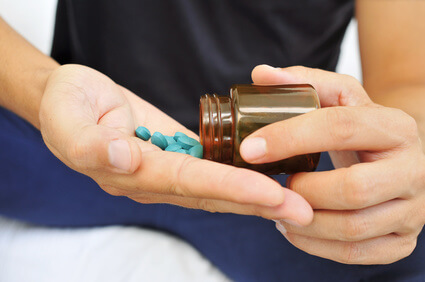 Other Drugs Influence Taking in Combination with Cialis
The drug Cialis is mainly metabolized by CYP3A4 enzyme. Selective CYP3A4 inhibitor ketoconazole increased the AUC by 107%, and rifampicin reduces it by 88%. Despite the fact that specific interaction has not been studied, it can be assumed that protease inhibitors such as ritonavir and saquinavir, and inhibitors of CYP3A4, such as itraconazole, and erythromycin, Canadian Cialis increases the activity.
At the same time taking antacid medications (magnesium hydroxide/aluminum hydroxide) and tadalafil reduce the rate of absorption of the latter without changing the AUC.
Order Cialis via Canadian Health and Care Mall to provide yourself with high quality cost-efficient medications. Canadian Cialis will revive your sexual life for fifteen minutes. It is the most important for men to be on the top!
Advair of Medstore Pharmacy Treats Breathing Problems
Advair of Medstore Pharmacy is known to contain salmeterol and fluticasone. Fluticasone is actually a steroid the helps in preventing the release of the substances in the body. Salmeterol on the other hand is a bronchodilator that works makes the muscles in the airways relax. This helps in bringing about an improvement in breathing.
The oral is used for treating the attacks of asthma. Advair is also used for preventing worsening of chronic obstructive pulmonary disease which is related to emphysema or chronic bronchitis and flare-ups. The medication has to be used on a regular basis for it to be effective. However, the medicine does not work right away and thus, should not be taken to treat sudden asthma attack or shortness of breath. If you want a medicine that works instantaneously then use a quick-relief inhaler like albuterol also known as salbutamol.

What are the Possible Side Effects of Using Advair?
Side effects generally go away after you get used to the drug. Serious side effects of this medicine for asthma attack are very rare. The medicine is known to cause a rise in the blood pressure. Thus, you should check the blood pressure on a regular basis and inform the doctor when you notice it to be high. Some of the problems of the drugs from Medstore Pharmacy are:
- Fever
- Persistent sore throat
- White patches in the mouth and tongue
- Problem in sleeping
- Mood and mental changes
- Changes in vision
- Shaking
- Muscle cramps
- Increase in thirst
- Severe dizziness
- Irregular or fast heartbeats
- Fainting
- Seizures
An allergic reaction to the drug is very uncommon but if you notice some serious reactions like itching and rash, you should immediate consult the doctor.
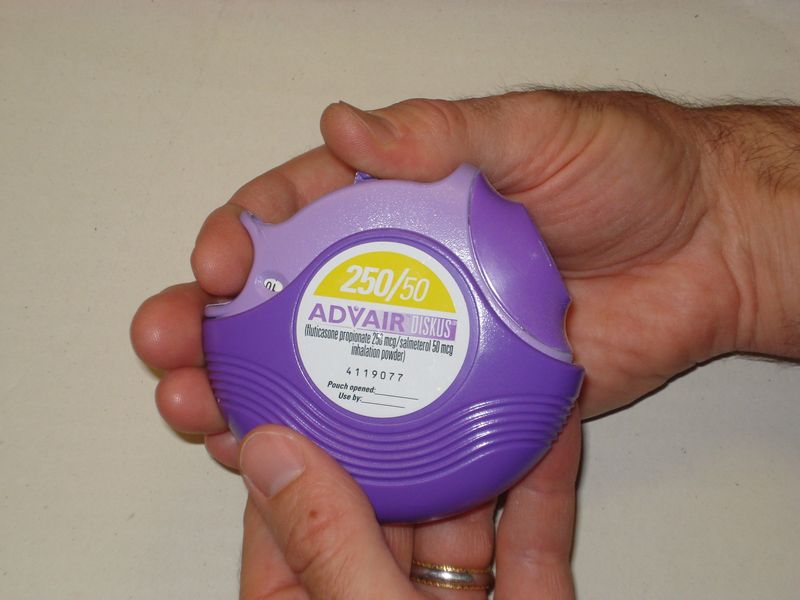
How to Take Advair?
Before you start taking the medicine for asthma attack, you need to read the guideline provided by the doctor or the pharmacist. Read the instruction the proper method of using the inhaler. The device has to be used in a flat level position. The medication has to be inhaled by mouth generally twice every day. However, there has to be a gap of about 12 hours. You may or may not be able to taste the drug when you inhale it. Take care not to inhale into the device.
The inhaler should not be taken apart. You should wash the mouthpiece or any other part of the inhaler. Make sure to close the device after every use. In case, you are using other inhaler, you need to wait at least a minute before using the second one. You should rinse the mouth with water after using the medication. This is good for the prevention of yeast infection and irritation in the throat and mouth. The dose of the medication is generally based on the age, medical condition, and the response that you have to the treatment.
Precautions to Take Before Using the Drug
You need to tell the doctor if you are allergic either of the two components of the drug. You need to inform the doctor if you have medical history of:
- Osteoporosis
- Heart disease
- High blood pressure
- Diabetes
- Overactive thyroid
- Eye problems
- Liver disease
- Seizures
- Past infections like herpes or tuberculosis
Canadian Health&Care Mall about Influenza Treatment with Zithromax
Influenza is infectious virous disease of respiratory airways being dangerous for its ramifications. People of various age and health state are at risk zone to be infected with this disorder. More the immune system is weaker more danger is observed.
The reason is virus. It comprises outside and inside covers and ribonucleic acid containing genetic material. There are three types:
- influenza A virus;
- influenza B virus;
- influenza C virus.
Influenza A virus is possible to infect people, animals and birds and consists of 15 subtypes differentiating according to the structure of surface protein. Influenza B and C virus do not have any influence for humans and animals. All the viruses are transmitted airborne. But all the types of influenza are possible to be cured with medications of Canadian Health&Care Mall for example Zithromax. Check out our service and be safe and sound with our online pharmacy.

Really speaking in the majority of cases influenza is usually mixed up with cold or some other respiratory diseases. The untimely treatment may become the reason of severe ramifications. Start treatment as fast as possible because it is the only way to maintain your health condition on the level.
Zitromax Characteristics
Zithromax is antibiotic belonging to a class of macrolide. Today it is one of the most effective antibiotics. With its help various bacterial infections treat. At treatment of the diseases caused by viruses, this preparation is useful. Before an initiation of treatment, it is necessary to pay attention to that fact that excessive or uncontrolled treatment by antibiotics leads to decrease in their efficiency.
Important:
Before an initiation of treatment it is necessary to consult the doctor.
How to Take Zithromax Canada
Before medicine application needs to be stirred up, having provided Zithromax should be taken in-vitro, as a rule, once a day, irrespective of meal. The patient having diseases of stomach, it is necessary to take Zithromax during taking a meal. The dosage of preparation will be appointed by the doctor depending on disease severity and the general condition of the patient. At treatment of children the dose of preparation is appointed depending on the child’s weight.
It is necessary to take this preparation so many days how many it is specified in the instruction. It is impossible to interrupt reception even if the patient feels healthy. The premature termination of treatment can cause growth of the escaped bacteria and disease recurrence.
If there is no improvement of health, or opposite, the condition of the patient became worse, by all means see a doctor.
 Tadalafil is an orally administered drug for treating impotence (erectile dysfunction), that
initially was developed by the biotechnology company ICOS, and then developed and marketed
world-wide as Cialis, by Lilly ICOS, LLC, the joint venture of ICOS Corporation and Eli Lilly
and Company. Cialis tablets, in 5mg, 10mg, and 20mg doses, are yellow, film-coated, and
almond-shaped.
Tadalafil is an orally administered drug for treating impotence (erectile dysfunction), that
initially was developed by the biotechnology company ICOS, and then developed and marketed
world-wide as Cialis, by Lilly ICOS, LLC, the joint venture of ICOS Corporation and Eli Lilly
and Company. Cialis tablets, in 5mg, 10mg, and 20mg doses, are yellow, film-coated, and
almond-shaped.